
Disclosure: This page may contain affiliate links. I may earn a commission at no extra cost to you if you purchase through one of these links.
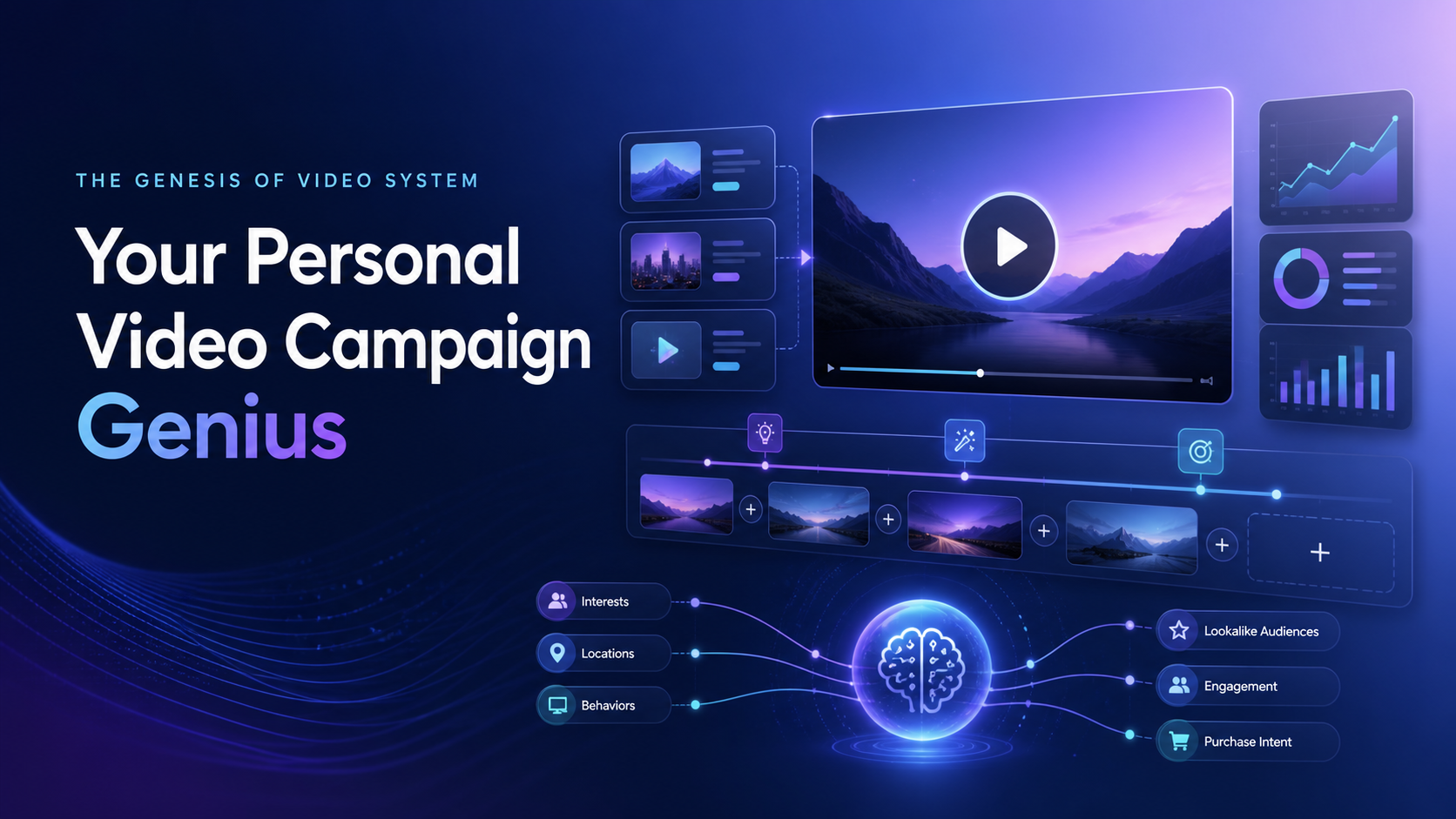
Video has become a central part of online communication, but producing it consistently can feel overwhelming. You need useful ideas, clear scripts, memorable titles, suitable keywords, and a plan for turning individual videos into a connected campaign. Video System: Unleash the Future of Video Content Creation presents a more organized way to approach those tasks without relying on guesswork every time you publish.
Why Video Content Creation Often Feels So Difficult
Recording a video is only one piece of the process. Before you press record, you must decide what to discuss, who the video is for, and what viewers should do afterward. Once the video is finished, you still need to write a title, create a description, choose a thumbnail concept, and promote the content.
For beginners and small business owners, these responsibilities can quickly become a bottleneck. You may have valuable knowledge to share but struggle to transform it into a focused campaign.
The challenge becomes even greater when you try to publish regularly. A disconnected collection of videos may not guide viewers toward a clear next step. A campaign-based system, on the other hand, can help you create several related videos around one audience problem or business goal. YT Content Pro Review: Turn YouTube Videos Into Digital Products in Minutes
Enter Video System: More Than Another Isolated Tool
Video System is positioned as a personal video campaign assistant designed to support the creative and strategic stages of content production. Rather than thinking about a video as a single upload, the system encourages a broader view of planning, messaging, titles, and optimization.
This does not mean that any tool can replace your judgment, knowledge, or understanding of your audience. It also does not mean that every suggested idea will be ready to publish without editing. The most useful role for a system like this is to provide structure, reduce blank-page frustration, and help you move from an unfocused idea to an actionable plan.
Think of it as a campaign starting point. You remain responsible for checking accuracy, adding original insight, following platform rules, and making the final content sound like your brand.
What Is a Video Campaign System?
A video campaign system is a repeatable process for creating a collection of videos that support a shared objective. That objective might be educating potential customers, introducing a service, answering common questions, demonstrating a product, or building awareness around a topic.
A practical system normally connects several elements:
- A clearly defined target viewer
- One central problem, need, or goal
- A collection of related video ideas
- Simple narrative structures or outlines
- Titles and descriptions that accurately reflect the content
- A relevant call to action
- A schedule for publishing and repurposing
- A review process based on meaningful performance signals
When these elements work together, content production becomes easier to repeat. You no longer have to reinvent your entire strategy for every video.
A Practical Video System Workflow for Beginners
Step 1: Choose One Specific Campaign Goal
Begin with one realistic objective. Avoid broad goals such as “go viral” or “get more customers.” Those outcomes depend on factors no tool can guarantee.
Instead, choose an objective you can directly support. For example, your campaign might explain a beginner topic, answer five common customer questions, introduce the stages of your service, or encourage viewers to download a helpful checklist.
A specific goal keeps your campaign focused and makes it easier to select appropriate topics.
Step 2: Define the Viewer
Write a one-sentence description of the person you want to help. Include their situation, immediate problem, and current level of knowledge.
For example: “This campaign is for a new online shop owner who wants to make simple product videos but has limited time and no formal video training.”
This sentence can guide your language, examples, format, and call to action. A beginner audience may need definitions and demonstrations, while a more experienced audience may prefer comparisons and advanced workflows.
Step 3: Build a Small Topic Cluster
Instead of asking for one random idea, build a cluster of five to seven related topics. A basic campaign can include:
- A problem-awareness video
- A beginner tutorial
- A common-mistakes video
- A frequently asked questions video
- A comparison or decision guide
- A demonstration or example
- A next-steps summary
This approach gives each video a role. It also lets you link related content naturally without repeating exactly the same message.
Step 4: Turn Each Idea Into a Simple Narrative
You do not need a complicated screenplay for every business video. A straightforward structure is often enough:
- Hook: Identify the viewer’s question or problem.
- Context: Explain why it matters.
- Value: Share practical steps, options, or examples.
- Summary: Reinforce the main takeaway.
- Next step: Suggest one relevant action.
Use generated outlines as drafts rather than finished scripts. Add your own terminology, examples, product details, and professional perspective. Remove statements you cannot verify.
Step 5: Develop Clear, Accurate Titles
A good title creates interest while accurately setting expectations. It should communicate the subject and, when appropriate, the intended audience or outcome.
For a campaign about product videos, possible working titles could include:
- How to Plan Your First Product Video
- 5 Product Video Mistakes New Shop Owners Can Avoid
- Simple Product Video Ideas for a Small Online Store
- Product Demonstration or Tutorial: Which Format Should You Use?
Avoid claims such as guaranteed views, instant rankings, or effortless sales. A dramatic title may earn attention, but misleading expectations can damage trust.
Step 6: Optimize Without Sacrificing Readability
Optimization should help platforms and viewers understand your content. It should not turn a title or description into an unnatural list of keywords.
Place the primary topic in the title when it fits naturally. Use the opening lines of the description to explain what viewers will learn. Add supporting terms only when they accurately describe the video. Captions, chapters, and descriptive file names may also make your publishing process more organized and accessible.
Always review the current guidance for the platform you use because formats, policies, and discovery systems can change.
Step 7: Repurpose With Intention
One core video can support several smaller content assets. You might turn a useful section into a short vertical clip, convert the key steps into a blog post, create an email summary, or design a checklist based on the process.
Repurposing is not simply copying the same material everywhere. Adjust the opening, length, dimensions, captions, and call to action for each channel. The central idea can stay consistent while the presentation changes.
Step 8: Review and Improve
After publishing, evaluate the signals that match your campaign goal. These may include viewer retention, relevant comments, link clicks, email sign-ups, or questions from potential customers.
Do not judge an entire strategy from one upload. Look for patterns across several videos. If viewers repeatedly leave during a long introduction, test a shorter opening. If one question receives thoughtful comments, consider creating a follow-up video.
Example: A Small Service Business Campaign
Imagine a freelance bookkeeper who wants to educate new business owners. The campaign goal is to answer basic organizational questions and direct interested viewers to a consultation page.
The campaign could contain videos about separating business and personal expenses, organizing receipts, preparing monthly records, avoiding common bookkeeping mistakes, and deciding when to seek professional help.
Each video addresses a distinct concern while supporting the same overall theme. The call to action can remain simple: watch the next related guide, download a record-keeping checklist, or review the available services.
This example does not require expensive equipment or an elaborate studio. It requires a defined audience, useful information, a logical sequence, and consistent presentation.
Example: A Beginner-Friendly Product Campaign
Consider a small business selling handmade candles. Rather than posting unrelated promotional clips, the owner could plan a campaign around choosing a candle for different spaces.
Topics might include understanding fragrance families, selecting a candle for a home office, basic candle care, choosing a gift, and comparing available sizes. The business can demonstrate its products while still delivering useful information.
The key is balance. Educational content should genuinely answer the viewer’s question, while promotional statements should be accurate and easy to distinguish.
Who May Find Video System Useful?
Video System may be worth exploring if you are a beginner who needs a repeatable planning process, a small business owner producing your own marketing content, an affiliate marketer building educational campaigns, or a creator who regularly gets stuck at the idea and outline stage.
It may be less suitable if you expect a completely hands-off solution or automatic business results. Tools can assist with planning, but you still need to record or produce the content, verify claims, edit drafts, publish consistently, and respond to audience feedback.
Questions to Ask Before You Buy
Product features, pricing, access terms, and bonuses can change. Review the current offer carefully before making a purchase. Useful questions include:
- Which parts of the video workflow does the current version support?
- Is access based on a one-time payment or a subscription?
- Are there usage limits or additional upgrades?
- Does it work with the platforms and formats you use?
- What support or training is included?
- What is the current refund policy?
- Will you still need separate recording, editing, or design software?
This review helps you compare the system with your actual workflow rather than buying based only on promotional language.
A Simple Seven-Day Starter Plan
- Day 1: Define one audience and one campaign objective.
- Day 2: Generate and refine five connected video topics.
- Day 3: Outline the first two videos using a hook, value, summary, and next step.
- Day 4: Draft accurate titles, descriptions, and thumbnail concepts.
- Day 5: Record the first video and make basic edits.
- Day 6: Publish it, then create one short clip or supporting post.
- Day 7: Document what worked and prepare the next video.
The purpose of this plan is not to promise immediate growth. It is to help you establish a manageable process that you can evaluate and improve.
Conclusion: Make the System Serve Your Message
The most valuable video system is one that helps you move from scattered ideas to purposeful content. Planning tools can reduce friction, suggest directions, and organize campaign elements, but your expertise and editorial judgment remain essential.
Start with a genuine audience need. Create connected topics, use clear narratives, write honest titles, and review the results over time. That approach is more sustainable than searching for shortcuts or guaranteed outcomes.
If you would like to examine the current features, pricing, and terms, you can visit the official Video System offer here. This is an affiliate link, which means a purchase may earn the publisher a commission at no additional cost to you. Review the offer carefully to decide whether it fits your needs and budget.
Frequently Asked Questions
What is Video System?
Video System is presented as a resource for organizing video campaign creation, including the planning of ideas, narratives, titles, and optimization. Check the current product page for its exact features and access terms.
Can beginners use a video campaign system?
Yes. Beginners may benefit from a structured process because it breaks content creation into smaller steps. However, users should still review outputs, verify information, and adapt suggestions to their audience.
Does Video System guarantee views, rankings, or sales?
No tool can guarantee those outcomes. Video performance depends on content quality, audience relevance, competition, distribution, platform changes, and other factors.
Do I still need video editing software?
Possibly. A campaign planning system may not replace recording, editing, captioning, design, or publishing tools. Confirm what is included in the current version before purchasing.
How many videos should be in a campaign?
There is no universal number. A beginner can start with three to seven connected videos, review the response, and expand the campaign when additional content would be useful.
Should AI-generated ideas be published without editing?
No. Treat generated material as a draft. Check facts, remove unsupported claims, add original insight, and revise the language so it accurately represents your brand.

Leave a Reply