
Disclosure: This page may contain affiliate links. I may earn a commission at no extra cost to you if you purchase through one of these links.
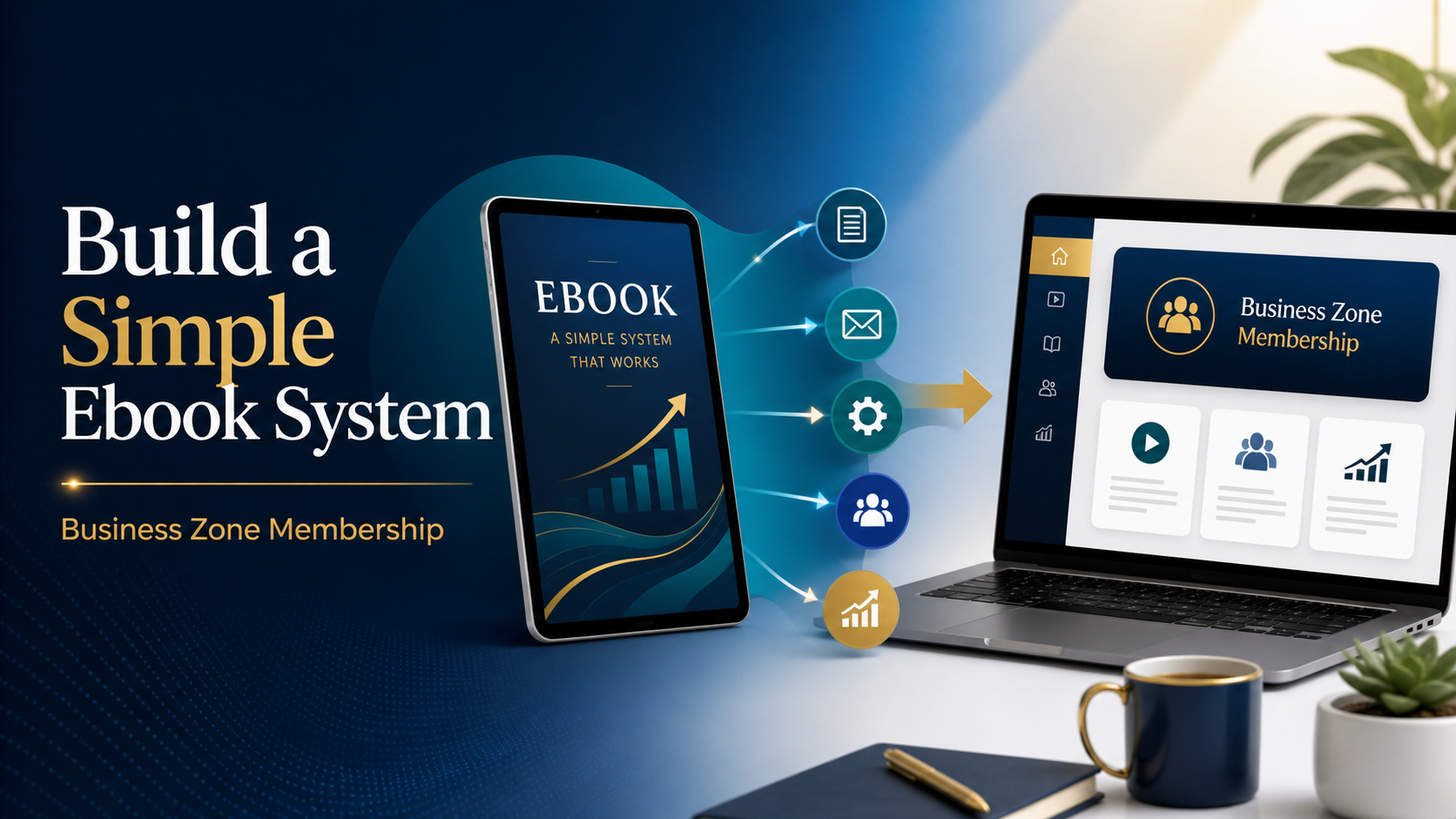
An ebook can be more than a downloadable document. When it solves a specific problem and connects to a clear follow-up process, it can become part of a practical marketing system for your online business. You may also have seen the promotional phrase FIRST 1,000 FOUNDERS FREE PLUS $97 inFREE Login Ads connected with an invitation to become a Business Zone Member. This guide explains how an ebook system works, where a membership or advertising offer may fit, and what to review before joining.
The goal is not to create the longest ebook possible or chase guaranteed traffic. Instead, the goal is to build a useful resource for a defined audience, deliver it reliably, and give interested readers a sensible next step.
What Is an Ebook System?
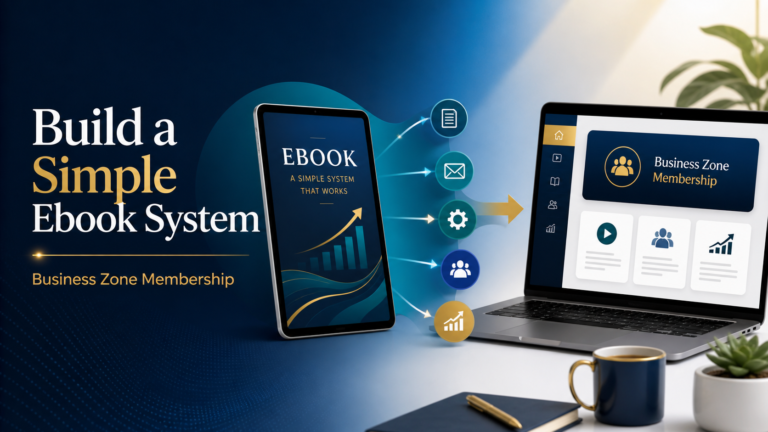
An ebook system is a group of connected assets and processes built around an ebook. The ebook is the central resource, but the full system may also include a landing page, signup form, delivery email, follow-up messages, traffic sources, and an offer.
For example, a bookkeeping consultant could publish a short ebook called “A Beginner’s Monthly Bookkeeping Checklist.” Visitors find a landing page, submit their email address, and receive the checklist. Follow-up emails provide more tips and invite readers to learn about the consultant’s services.
This approach is different from uploading an ebook and hoping people find it. Each part has a purpose, and the journey from visitor to reader should be simple to understand. Craft Tech AI Review: An All-In-One System for Building a Modern Content Business
The Basic Parts of the System
- A defined reader: The person you want to help.
- A focused problem: One challenge the ebook addresses.
- A useful ebook: Clear information with practical steps.
- A landing page: A page explaining what readers will receive.
- A delivery process: An email or download page that provides access.
- A follow-up sequence: Additional guidance and relevant offers.
- A promotion plan: Ethical ways to introduce the ebook to potential readers.
Step 1: Choose One Reader and One Problem
Beginners often try to write for everyone. This usually results in broad content that does not feel especially useful to anyone. Start by identifying a narrow audience and one immediate problem.
Instead of writing “The Complete Guide to Online Business,” you could create “A Five-Step Product Page Checklist for New Etsy Sellers” or “How Local Gardeners Can Plan a Month of Social Posts.” These ideas make the intended reader and outcome easier to recognize.
Write a one-sentence description before creating the ebook: “This ebook helps [type of reader] understand or complete [specific task].” Use that sentence to decide which information belongs in the ebook.
Step 2: Create a Practical Ebook Outline
A useful beginner ebook does not need dozens of chapters. A concise resource that helps readers take action can be more approachable than a large manual.
A simple outline could include:
- An introduction to the problem.
- Common mistakes or misunderstandings.
- A step-by-step process.
- A realistic example.
- A checklist or action plan.
- A relevant next step.
Keep paragraphs short, explain unfamiliar terms, and use headings that let readers scan the document. If you mention a tool or tactic, explain why someone might use it rather than presenting it as a requirement.
Example Ebook Structure
Imagine that you help home-based bakers organize customer orders. Your ebook could explain how to collect order details, confirm deadlines, record deposits, and schedule pickups. It might end with a one-page order checklist readers can print.
The next step could be an invitation to view your order-management template, join your newsletter, or book a consultation. It should relate directly to the problem covered in the ebook.
Step 3: Build a Clear Landing Page
Your landing page should quickly answer four questions: Who is the ebook for? What problem does it address? What is included? What must the visitor do to receive it?
Use a descriptive headline, a brief summary, several benefit-focused bullet points, and a visible signup button. Avoid exaggerated claims such as guaranteed income, instant rankings, or unlimited traffic. Describe the contents and intended purpose instead.
For example, “Download a five-page checklist for planning your first welcome email sequence” is clearer than “Discover the secret that will transform your business overnight.” Specific, reasonable language helps visitors make an informed choice.
Your page should also explain how submitted information will be used. Include appropriate privacy information and obtain any consent required for marketing emails in the regions where you operate.
Step 4: Set Up Delivery and Follow-Up
After someone requests the ebook, deliver it promptly through your chosen email or download system. Test the signup form and download link on both desktop and mobile devices.
A simple follow-up sequence might contain three or four messages:
- Email one: Deliver the ebook and explain how to use it.
- Email two: Highlight one important lesson from the ebook.
- Email three: Share a practical example or answer a common question.
- Email four: Introduce a relevant product, membership, or service.
Every message should have a clear purpose. Avoid sending repeated promotions without adding useful information. Include an unsubscribe option and follow the email marketing rules that apply to your business.
Step 5: Select Traffic Sources Carefully
An ebook system still needs a way to reach potential readers. Beginners can start with channels they already understand, such as blog content, social media posts, partnerships, an existing email list, or relevant online communities that allow resource sharing.
Paid advertising is another option, but it should be tested with a budget you can afford to lose. Traffic volume alone does not show whether a campaign is useful. A smaller number of relevant visitors may be more valuable than many visitors who have little interest in the ebook.
Where Login Ads May Fit
Login ads are generally promotional placements shown to users when they access a participating platform or member area. The exact format, audience, targeting options, and advertising rules depend on the provider.
If you are considering the Business Zone promotion described as “FIRST 1,000 FOUNDERS FREE PLUS $97 inFREE Login Ads,” review the current offer page before making a decision. Promotional availability and terms can change. Confirm what “free” includes, how the stated advertising value is calculated, whether payment details are required, and whether there are future membership costs.
Also check where the ads appear, who may see them, how impressions or clicks are reported, and whether your type of offer is permitted. Login ads may provide exposure, but exposure does not guarantee signups, sales, income, or a good audience match.
Step 6: Become a Business Zone Member Only After Reviewing the Fit
A membership can be useful when its tools, community, training, or promotional options support a real business objective. It is less useful when someone joins only because a bonus sounds valuable.
Before becoming a Business Zone Member, ask these questions:
- Does the platform serve people who could reasonably be interested in my ebook?
- What membership features are currently included?
- Are there recurring fees, upgrades, or usage limits?
- How do the included login ads work?
- Can I track visits and ebook signups?
- What content and advertising rules must I follow?
- What cancellation or account-management options are available?
If the answers support your plan, begin with one simple campaign. Send visitors to a focused ebook landing page rather than a general homepage. Match the advertisement to the page so visitors see the same topic and promise after clicking.
Affiliate disclosure: This article contains an affiliate link. The publisher may earn a commission if you join through that link.
You can review the current Business Zone membership offer here. Read the live terms, eligibility requirements, included features, and any costs before registering.
Step 7: Measure Useful Actions
Decide what you need to measure before promoting your ebook. Basic metrics may include landing-page visits, completed signup forms, delivery-email opens, download clicks, unsubscribes, and purchases or inquiries.
Suppose an advertisement sends visitors to your landing page, but few request the ebook. That does not automatically mean the traffic source is ineffective. The ad and ebook may not match, the headline may be unclear, the form may ask for too much information, or the page may not work well on mobile devices.
Change one major element at a time. You might test a clearer headline first, then a shorter form, and later a different advertisement. This makes it easier to identify which adjustment affected the response. Results will vary by audience, offer, message, and traffic source.
A Seven-Day Ebook System Starter Plan
- Day one: Choose your reader, problem, and ebook outcome.
- Day two: Create the outline and list the examples you need.
- Day three: Write the first draft without worrying about design.
- Day four: Edit for clarity and add a checklist or action plan.
- Day five: Format the ebook and build the landing page.
- Day six: Create the delivery email and two follow-up messages.
- Day seven: Test every link, publish the page, and begin careful promotion.
This schedule is only a planning example. A researched or technical ebook may take longer. Accuracy and usefulness are more important than meeting an arbitrary deadline.
Common Ebook System Mistakes
Covering Too Many Topics
A narrow ebook is easier to explain and promote. Save unrelated topics for future resources or follow-up content.
Sending Visitors to an Unclear Page
Your landing page should focus on the ebook. Too many menus, offers, and competing buttons can distract visitors from the intended action.
Failing to Test the Process
Submit the form yourself, check the delivery email, open the ebook, and test every link. A broken download can undermine an otherwise useful campaign.
Treating Advertising Credits as Guaranteed Value
An advertised credit or promotional value does not guarantee relevant visitors or business results. Evaluate how the credit can be used and whether the available audience fits your topic.
Conclusion
A strong ebook system begins with a useful resource for a specific reader. A clear landing page, dependable delivery, helpful follow-up, and measured promotion then turn that resource into a repeatable business asset.
If Business Zone appears relevant to your audience and goals, review the membership and login-ad offer carefully. Confirm the current terms instead of relying only on a promotional headline. When the fit makes sense, you can visit the Business Zone offer and consider becoming a member. Start small, track meaningful actions, and improve the ebook system based on what you learn.
Frequently Asked Questions
What is an ebook system?
An ebook system connects an ebook with a landing page, delivery method, follow-up communication, promotion plan, and relevant next offer. Its purpose is to create a clear journey for interested readers.
How long should a beginner ebook be?
There is no required length. It should be long enough to solve the defined problem without unnecessary sections. A concise checklist or short guide may be more useful than a lengthy document.
Do login ads guarantee ebook traffic or signups?
No. Login ads may provide visibility within a platform, but they cannot guarantee clicks, subscribers, sales, income, or other results. Audience fit, messaging, landing-page quality, and offer relevance all matter.
What should I check before becoming a Business Zone Member?
Review current membership features, eligibility, pricing, renewals, advertising rules, login-ad details, tracking options, usage limits, and cancellation terms. Make sure the platform supports a clear business objective.
Can I use an ebook system without paid advertising?
Yes. You can promote an ebook through relevant blog posts, social content, email, partnerships, guest content, and communities that permit resource sharing. Paid promotion is optional.
Leave a Reply