

Disclosure: This page may contain affiliate links. I may earn a commission at no extra cost to you if you purchase through one of these links.
Email remains one of the most direct ways to communicate with customers, leads, partners, and subscribers. The challenge is writing a message that earns attention without sounding aggressive, confusing, or impersonal. Inbox System is presented as an AI-driven email guide designed to support the writing process. This guide explains how beginners and small business owners can use AI assistance thoughtfully to create clearer, more purposeful emails while retaining their own voice and judgment.
Why Effective Email Communication Is Difficult
Every email competes with order confirmations, newsletters, workplace messages, promotions, and personal conversations. Even an interested recipient may ignore a message when its purpose is unclear or its content requires too much effort to understand.
Writing an effective email also involves balancing several elements. You need an engaging subject line, an appropriate tone, a clear structure, useful information, and a relevant call to action. If one element is weak, the entire message may become less effective.
Small business owners often face an additional problem: limited time. You may know what you want to say but struggle to turn scattered ideas into a concise message. This is where an AI-assisted system may help with brainstorming, drafting, and editing.
What Is Inbox System?
Inbox System is promoted as an AI-driven resource for improving email communication. Its intended role is to help users approach email creation with more structure and confidence rather than staring at a blank page.
An AI email guide can be useful for generating possible subject lines, organizing a draft, adjusting tone, shortening repetitive sections, and developing alternative calls to action. It should not replace your knowledge of your audience or your responsibility to verify what an email says. StorySpark AI Review: Turn Everyday Ideas Into Engaging Story Emails
Product features and access terms can change, so review the current sales page carefully before purchasing. Check what is included, whether there are recurring costs, what technical skills are required, and whether the material fits the type of email you send.
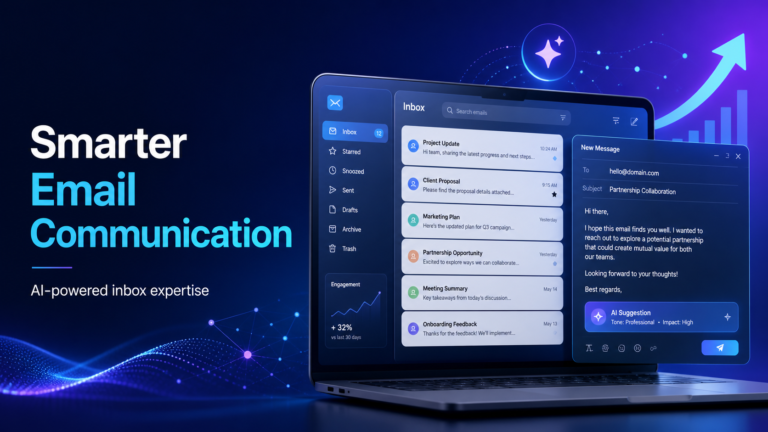
Master the Art of Email Communication with Inbox System: Craft Impactful Emails with AI Expertise
Mastering email does not mean allowing AI to write every message automatically. A better approach is to treat it as a writing assistant. You provide the objective, audience knowledge, facts, examples, and final approval. The AI can then help you explore different ways to present that information.
This division of responsibilities matters. AI-generated text can sound polished while still being vague, inaccurate, or unsuitable for a particular reader. Human review keeps the message grounded in your real offer and relationship with the recipient.
Start With One Clear Objective
Before drafting, decide what the email needs to accomplish. An email should usually have one primary objective, such as welcoming a subscriber, introducing a product, confirming an appointment, requesting feedback, or encouraging a reader to view a helpful resource.
Write the objective in one sentence. For example: “This email will help new subscribers choose the right first tutorial.” That statement gives an AI tool useful direction and makes it easier to remove unrelated content.
Define the Reader and Their Context
A message for a first-time subscriber should not sound like an email for a long-term customer. Tell the system who will receive the email, what they may already know, what problem they face, and what tone is appropriate.
A useful prompt might be: “Draft a friendly email for new online shop owners who feel overwhelmed by email marketing. Explain one simple first step, avoid jargon, and end with an invitation to read a beginner guide.”
The more relevant context you provide, the less likely you are to receive a generic draft.
A Practical AI-Assisted Email Workflow
Step 1: Collect the Essential Facts
List the details that must be correct before asking for a draft. These may include a product name, event date, price, deadline, link, eligibility requirement, or customer support address.
Do not ask an AI tool to guess missing information. If a detail is unavailable, use a clear placeholder and confirm it before sending the message.
Step 2: Choose the Desired Tone
Tone affects how a reader interprets your intent. “Professional” alone may be too broad. More useful descriptions include friendly and concise, calm and reassuring, direct but respectful, or enthusiastic without using exaggerated claims.
If the first draft feels too forceful, ask for a softer version that still has a clear next step. If it feels passive, request a more direct version without adding urgency that does not genuinely exist.
Step 3: Build a Simple Structure
A dependable marketing email structure includes an opening that establishes relevance, a short explanation of the reader’s problem, a useful idea or solution, supporting details, and one primary call to action.
Keep paragraphs short and make the message easy to scan on a phone. Subheadings and bullet points may help in longer educational emails, but a brief personal message may only need a few paragraphs.
Step 4: Generate Several Options
Instead of accepting the first output, request two or three variations. You might ask for a concise version, an educational version, and a conversational version. Compare them and combine the strongest elements.
The same principle applies to subject lines. Generate options based on clarity, curiosity, or direct benefit, but remove anything misleading. A subject line should accurately represent the email that follows.
Step 5: Edit for Accuracy and Personality
Read the draft aloud. Replace words you would not normally use, remove unnecessary adjectives, and add details that reflect your business. Check every statement about products, pricing, timing, or outcomes.
Look for language that implies certainty. Claims such as “this will transform your business” or “you are guaranteed to succeed” should be replaced with specific, supportable explanations of what the reader can learn, access, or do.
Step 6: Review the Call to Action
A call to action should explain the next step without pressuring the reader. “View the beginner guide” is clearer than “Click here,” while “Reserve your place before Friday” is appropriate only when the deadline is real.
Use one primary action whenever possible. Several unrelated buttons can make the reader decide between too many options and weaken the message.
Step 7: Test Before Sending
Send a test email to yourself. Check the subject line, sender name, links, formatting, spelling, and mobile readability. Confirm that personalization fields work correctly and that the recipient has a suitable way to manage email preferences where required.
For important campaigns, ask another person to review the message. A second reader can identify unclear assumptions that the original writer may overlook.
Before-and-After Email Example
Consider a small business inviting subscribers to a free educational article. A weak version might say:
“You need to read our amazing new post right now because it will completely fix your email marketing. Click here before you miss out.”
This version uses unsupported promises and unnecessary pressure. It also fails to explain what the article covers.
A clearer alternative would be:
“Not sure what to include in your first welcome email? Our new beginner guide walks through a simple structure for introducing your business, setting expectations, and inviting subscribers to take one next step. Read the welcome email guide when you are ready.”
The revised email identifies a specific problem, describes the resource, and offers a clear action. It does not promise a particular business result.
Useful Prompts for Better Email Drafts
The quality of an AI-assisted draft often depends on the quality of the instructions. Beginners can adapt the following prompts:
- “Rewrite this email in a friendly, concise tone while preserving every factual detail.”
- “Create five accurate subject lines for this message. Avoid hype, false urgency, and guaranteed outcomes.”
- “Shorten this draft to approximately 150 words and keep the main call to action.”
- “Identify any sentences that sound vague, overly aggressive, or difficult for a beginner to understand.”
- “Create a polite follow-up that acknowledges the recipient may be busy and does not use guilt or pressure.”
- “Turn these notes into a welcome email with short paragraphs and one clear next step.”
Never place confidential customer information, private business data, passwords, or sensitive records into an AI system without understanding its privacy and data-handling policies.
Common Email Mistakes to Avoid
Sending an Unedited AI Draft
AI output is a starting point, not proof that a message is ready. Unedited drafts may include repetition, invented details, awkward phrasing, or a tone that does not match your brand.
Using False Urgency
Countdown language and scarcity claims should only be used when they are true. Manufactured pressure may damage trust and can create compliance concerns.
Trying to Say Too Much
An email that promotes several offers, explains multiple topics, and includes numerous links can overwhelm the reader. Choose one central message and move secondary information to another email or landing page.
Ignoring Permission and Compliance
Use responsible list-building practices and follow the email, privacy, and advertising rules that apply to your location and audience. Include required sender information and unsubscribe options. When promoting affiliate products, make the commercial relationship clear.
Is Inbox System Right for You?
Inbox System may be worth exploring if you regularly struggle to begin an email, want a more repeatable drafting workflow, or need help adjusting structure and tone. It may also appeal to a small business owner who wants guided support but is not ready to outsource all email writing.
It may be less suitable if you expect completely hands-off campaigns, guaranteed engagement, or perfect drafts without review. No writing system can ensure opens, clicks, sales, or other outcomes. Results can be influenced by audience relevance, list quality, timing, deliverability, the offer, and many other factors.
Before deciding, compare the product with your existing tools and workflow. Consider how often you write emails, which part of the process takes the most time, and whether you will consistently review and personalize AI-generated material.
Conclusion
Good email communication begins with clarity, empathy, and a relevant purpose. AI assistance can make brainstorming and drafting more manageable, but the strongest messages still require accurate information, ethical claims, thoughtful editing, and a clear understanding of the reader.
If you want to learn more about the AI-driven approach offered by Inbox System, you can visit the Inbox System product page and review its current features, pricing, terms, and suitability for your business. This is an affiliate link, which means the publisher may receive a commission if you purchase through it, at no additional cost to you.
Frequently Asked Questions
What is Inbox System?
Inbox System is promoted as an AI-driven guide for email communication. It is intended to help users develop and refine emails, but you should check the current product page for an exact description of its features and access terms.
Can Inbox System write every email for me?
It may help produce drafts, ideas, or revisions, but each message should receive human review. You remain responsible for accuracy, tone, privacy, legal compliance, and the claims made in your email.
Is an AI email tool suitable for beginners?
AI assistance can be useful for beginners who need help organizing ideas or overcoming a blank page. Clear instructions and careful editing are still necessary to create a relevant, trustworthy message.
Will better emails guarantee more sales?
No. Clearer emails may improve the reader experience, but they cannot guarantee opens, clicks, conversions, or income. Outcomes depend on factors such as the audience, offer, timing, trust, and deliverability.
What should I check before sending an AI-assisted email?
Verify all facts, links, dates, prices, claims, personalization fields, and formatting. Confirm that the tone fits your audience, the call to action is clear, and the email follows applicable privacy and marketing requirements.

Leave a Reply