
Disclosure: This page may contain affiliate links. I may earn a commission at no extra cost to you if you purchase through one of these links.
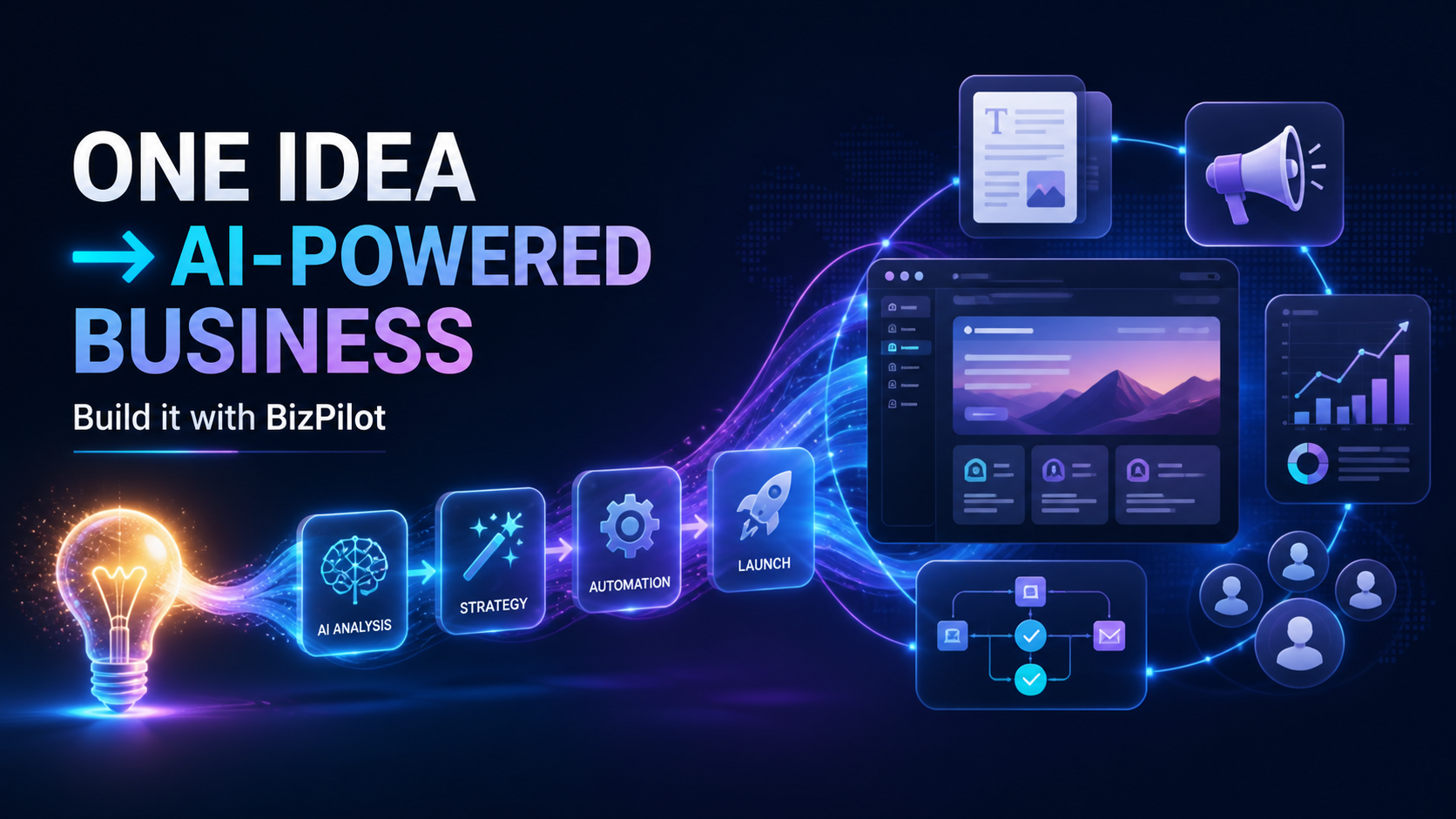
Starting an online business often means piecing together website builders, email platforms, checkout tools, content apps and advertising software. BizPilot aims to simplify that process. You provide one idea, and its AI-powered system helps create the website, store, funnel, checkout, emails, SEO content, social posts and ads needed to begin building an online presence.
That does not mean every generated asset will be ready to publish without review. It also does not guarantee traffic, sales or search rankings. However, for beginners and small business owners who want to move from an idea to a workable business structure, BizPilot may reduce the amount of setup and switching between separate tools.
Affiliate disclosure: This article contains an affiliate link. If you purchase through the link, I may receive a commission at no additional cost to you. MemoryBank AI Review: Turn Life Experiences Into Books, Courses, and Digital Assets
What Is BizPilot?
BizPilot is an AI business-building platform designed around a simple concept: one idea, one AI team and one complete business. Instead of asking you to build each part of a business separately, the platform uses your initial command to generate a connected collection of online assets.
The platform is powered by multiple established AI models, including ChatGPT, Claude, Gemini and Grok. The goal is to use these tools together to handle different business-building tasks from one central workflow.
Depending on your idea and the available product features, the output can include:
- A business website or landing pages
- An online store and product pages
- A sales funnel
- A checkout process
- Email content and follow-up sequences
- Search engine optimization content
- Social media content
- Advertising copy and creative concepts
This approach may be useful if you know what you want to sell but are unsure how to turn that idea into all the pages and marketing materials an online business typically needs.
How BizPilot Turns One Idea Into a Business
The quality of an AI-generated business starts with the quality of the instructions. A vague command such as build a fitness business gives the system little information about the audience, offer or desired outcome.
A more useful starting command could be:
Create an online business that sells beginner-friendly home workout plans for busy professionals. Use a supportive tone, offer a downloadable starter plan and create a simple email sequence for new subscribers.
From that single idea, BizPilot can help build the different parts of the customer journey.
1. Website and Brand Foundation
The website introduces the business, explains the offer and gives visitors a next step. BizPilot can help generate the basic page structure and written content based on the original command.
You should still check the business name, headlines, contact details, policies and branding before publishing. AI-generated copy can provide a useful draft, but human editing is important for accuracy and originality.
2. Store, Product Pages and Checkout
If your idea involves selling a physical or digital product, the platform can help create a store structure, product descriptions and checkout flow. This may save time compared with writing every section from a blank page.
Before accepting payments, verify the product price, currency, delivery terms, refund policy, taxes and payment settings. Test the entire checkout process on both desktop and mobile devices.
3. Sales Funnel
A funnel guides a visitor from initial interest toward a specific action. For example, someone might discover a social post, visit a landing page, download a free resource, receive several emails and then view a paid offer.
BizPilot is intended to connect these stages so they support the same offer. This can make the business feel more consistent than using unrelated templates from several tools.
4. Email Follow-Up
Not every visitor is ready to buy immediately. An email sequence can welcome subscribers, provide useful information and explain the offer over time.
Review generated emails carefully. Remove exaggerated claims, add useful details and make sure every message reflects what the product can genuinely provide. You should also follow applicable email marketing and consent requirements.
5. SEO and Content
BizPilot can help create content intended for search engines, such as service pages, product descriptions and blog post drafts. This can make content planning more approachable for someone who has never worked with SEO.
AI-generated content alone does not guarantee rankings. Useful SEO content should answer real questions, match search intent, use accurate information and offer something more helpful than a generic summary. Edit every draft and add your own expertise, examples or product details where appropriate.
6. Social Content and Ads
The platform can also generate social posts and advertising concepts based on the same business idea. This helps maintain a consistent message across the website, emails and promotional content.
Advertising still requires careful targeting, budgeting, testing and compliance with the rules of each platform. Start cautiously, review performance and avoid spending more than your business can afford to test.
Who May Find BizPilot Useful?
BizPilot appears most relevant to people who want a guided way to assemble the core components of an online business.
- Beginners: People who have an idea but do not know which pages, emails or funnel steps to create.
- Solo business owners: Users who do not have a separate team for copywriting, design, SEO and social media.
- Freelancers and consultants: Service providers who want to package an offer and create a lead-generation system.
- Digital product creators: People selling guides, templates, courses or other downloadable resources.
- Small ecommerce sellers: Business owners who need product pages, promotional copy and follow-up content.
It may be less suitable for businesses that need highly customized software, complex inventory management or extensive integrations. In those situations, a developer or specialized platform may still be necessary.
Practical Steps for Getting Started
Step 1: Define One Clear Offer
Choose one product or service rather than asking the platform to create a large business with many unrelated offers. State who it is for, what problem it addresses and what the customer receives.
For example: Create a business selling editable invoice and proposal templates for new freelance graphic designers.
Step 2: Add Useful Context
Include the preferred tone, price range, business model and primary call to action. You can also specify whether you want visitors to buy a product, book a consultation or join an email list.
Step 3: Generate the Core Assets
Start with the website, offer page, checkout and essential emails. These assets create the basic path a potential customer will follow. Social posts and ads are more useful after the main path has been reviewed and tested.
Step 4: Check Every Important Detail
Confirm names, prices, features, links, contact information and policies. Look for repeated wording or statements that overpromise results. If the content mentions legal, financial, health or technical subjects, consider having a qualified professional review it.
Step 5: Make the Content Your Own
Add specific information about your offer, process and target customer. Replace generic text with practical details. Original input and thoughtful editing can help the business sound more credible and less like an unedited AI template.
Step 6: Test Before Publishing
Click every button, submit every form and complete a test checkout if possible. Confirm that automated emails arrive in the expected order. Check how each page looks on a phone as well as a computer.
Step 7: Improve Based on Evidence
After launch, pay attention to real visitor behavior, customer questions and conversion data. Update confusing headlines, simplify unnecessary steps and improve content that does not clearly answer the audience’s needs.
A Simple BizPilot Use Case
Imagine a virtual assistant who wants to sell a client onboarding template kit. The initial BizPilot command could identify the audience, product and desired tone. The platform could then create a website, product page, checkout, welcome emails, educational blog drafts, social posts and ad concepts around that single offer.
The owner would still need to upload the actual templates, choose accurate pricing, connect payment details and review all claims. They could also add screenshots and explain how the templates work. BizPilot handles the initial structure, while the owner supplies the real product knowledge and final approval.
Benefits and Limitations to Consider
The main potential advantage is convenience. Creating related assets from one command can reduce blank-page frustration and keep the message consistent. Access to several AI models in one workflow may also be simpler than managing separate subscriptions and copying information between them.
The limitation is that automation cannot fully understand your customers or verify every business detail. Outputs may require correction, personalization and compliance checks. Results will also depend on the strength of the offer, the clarity of your instructions and how carefully you edit and test the generated materials.
Conclusion: Should You Try BizPilot?
BizPilot offers an interesting option for turning one idea into a more complete AI-powered business setup. Its ability to build a website, store, funnel, checkout, emails, SEO drafts, social content and ads from one command may be especially helpful for beginners who feel overwhelmed by the number of tools involved.
It should be viewed as a business-building assistant rather than a guaranteed shortcut. You remain responsible for the product, customer experience, factual accuracy, legal requirements and marketing decisions.
If you have a clear idea and want to explore a more streamlined way to build the supporting assets, you can visit the BizPilot offer page here. Review the current features, pricing and terms carefully to decide whether they fit your needs and budget.
Frequently Asked Questions
What does BizPilot build?
BizPilot is designed to generate a connected website, store, funnel, checkout, emails, SEO content, social content and advertising materials from one business idea.
Which AI models power BizPilot?
BizPilot uses ChatGPT, Claude, Gemini and Grok as part of its AI-powered business creation approach.
Can BizPilot guarantee traffic or sales?
No. Traffic, rankings and sales depend on factors such as the offer, market demand, content quality, promotion, budget and execution. AI-generated assets do not guarantee business results.
Do I need to edit the generated content?
Yes. Review all content for accuracy, originality, brand fit and compliance. You should also verify prices, product details, links, policies and any factual claims before publishing.
Is BizPilot suitable for beginners?
It may be useful for beginners because it brings several business-building tasks into one workflow. However, users still need to make decisions, test the setup and manage the business after launch.

Leave a Reply