
Disclosure: This page may contain affiliate links. I may earn a commission at no extra cost to you if you purchase through one of these links.
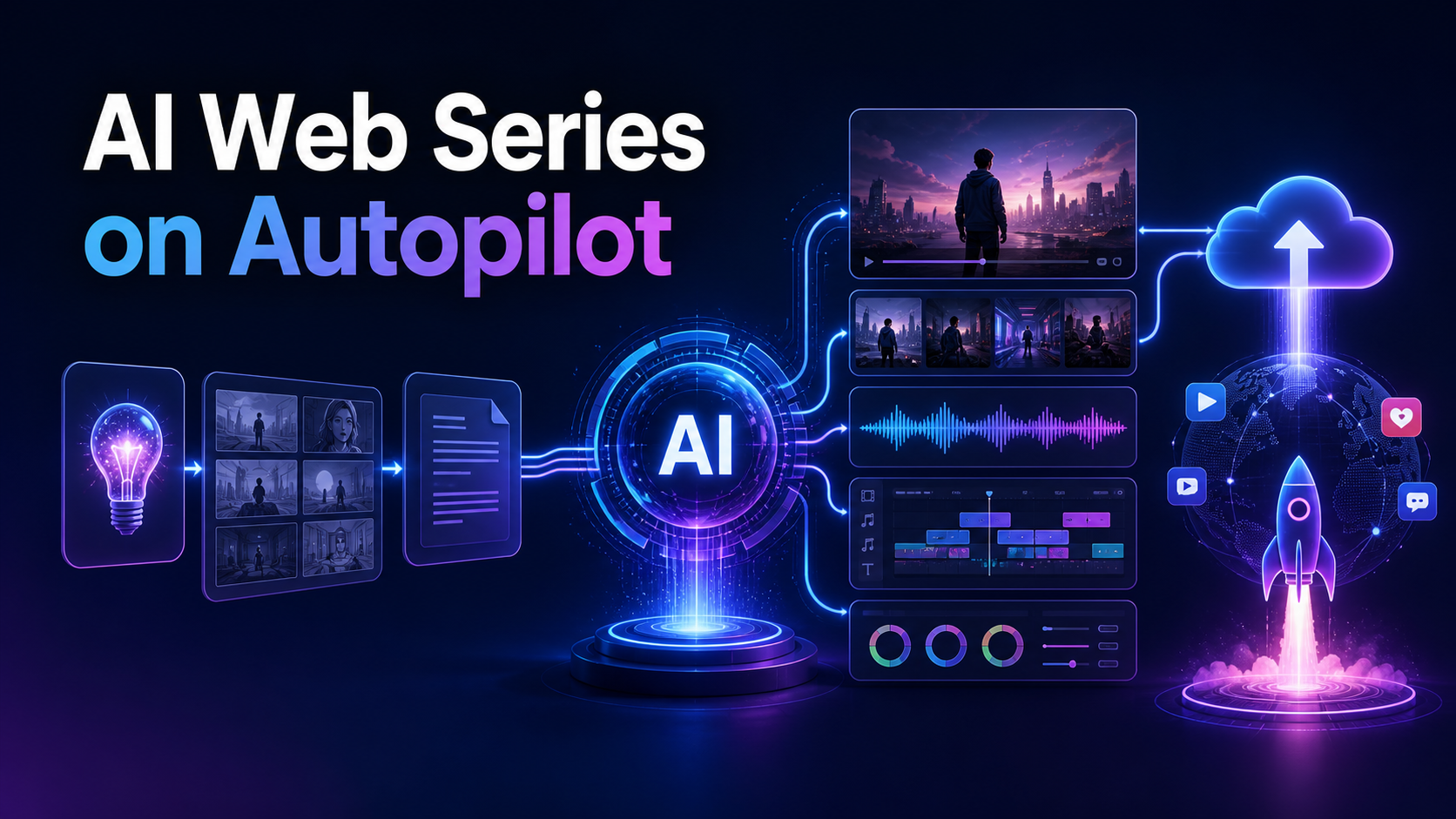
Creating a web series traditionally requires ideas, scripts, visuals, voiceovers, editing, and a reliable publishing schedule. For beginners and small online business owners, coordinating all those tasks can make episodic video content feel out of reach. A new category of AI tools aims to simplify the process by turning an initial concept into complete episodes and helping publish them with far less manual production work.
One such platform is presented as the first AI that builds and publishes full web series episodes on autopilot—from concept to video. Instead of using separate tools for writing, visual creation, narration, editing, and scheduling, the platform is designed to bring the workflow together. This guide explains how that approach works, where it may be useful, and what to check before relying on automation for your brand.
What Does “Builds & Publishes Full Web Series” Mean?
The phrase Builds & Publishes Full Web Series describes a broader workflow than generating a single video. A web series is a collection of connected episodes built around one topic, story, audience, or business objective.
A suitable AI system may help develop the overall concept, divide it into episodes, write individual scripts, assemble video elements, and prepare the finished content for publishing. The exact level of automation can vary, so users should review the current product details and available integrations before choosing a plan.
The main advantage is workflow consolidation. Rather than moving repeatedly between writing software, media libraries, voice generators, video editors, and publishing dashboards, a creator can manage more of the process from one place.
Concept and Series Planning
A strong series needs more than a broad subject. It requires a defined audience, a consistent format, and a reason for viewers to continue from one episode to the next. AI can help transform a general idea into a structured series outline.
For example, a bookkeeping consultant could begin with the concept “simple financial systems for freelancers.” The platform could organize that concept into episodes about separating business finances, tracking expenses, preparing invoices, creating a tax checklist, and reviewing monthly cash flow. First AI That Builds & Runs a Profitable YouTube News Channel For You: Complete Beginner’s Guide
Script and Episode Creation
Once the series structure is established, the next step is producing scripts for each episode. AI can generate openings, explanations, transitions, calls to action, and previews of upcoming episodes.
Generated scripts should still be reviewed by a person. This is especially important for topics involving finance, health, law, product specifications, or other factual claims. Automation can accelerate the first draft, but the publisher remains responsible for accuracy and suitability.
Video Assembly and Publishing
The most time-consuming stage is often turning a script into a finished video. An automated platform may combine narration, text, visual assets, scenes, and transitions into an episode. Publishing tools may then help organize or distribute the completed videos according to a schedule.
Before enabling automatic publishing, check every supported destination and connection. Platform policies, video specifications, account permissions, and integration availability can change over time.
Who Could Use an AI Web Series Platform?
This type of tool can support creators who have useful knowledge or promotional ideas but lack a traditional production team. It is not limited to entertainment. Educational and business-focused episodic content can also work well as a web series.
Affiliate Marketers
Affiliate marketers can create a connected sequence around a problem rather than publishing isolated promotional videos. For instance, a series about starting an email newsletter could cover choosing a niche, creating a lead magnet, building a landing page, writing a welcome sequence, and evaluating relevant software.
Products can be introduced where they naturally help solve the problem discussed in an episode. Affiliates should clearly disclose commercial relationships and avoid presenting uncertain outcomes as guaranteed.
Coaches and Consultants
A coach could turn a core framework into a short educational series. Each episode can address one stage of the process, answer a common question, or correct a misconception. This gives prospective clients a clear way to understand the coach’s approach before considering a service.
E-Commerce Businesses
Online stores can produce series based on product education, use cases, maintenance, comparisons, or buying considerations. A kitchenware store, for example, could develop episodes about selecting cookware materials, caring for different surfaces, organizing a small kitchen, and choosing tools for specific cooking methods.
Local and Service Businesses
Service providers can answer recurring customer questions in an organized format. A home maintenance company might create a seasonal series about inspections, warning signs, preventive tasks, and situations that require a qualified professional.
Why Episodic Content Can Be Valuable
A series provides structure. Instead of deciding what to create every time a video is needed, the creator plans a connected group of topics in advance. That can make content production more consistent and reduce the pressure of starting from a blank page.
Episodes can also explore a subject in manageable sections. Viewers do not have to absorb everything in one long presentation, while businesses can build a reusable content library around recurring audience needs.
However, automation alone does not ensure that people will watch, engage, or take action. Topic relevance, production quality, distribution, positioning, and audience fit still matter. An AI-generated series should be treated as a production asset, not a guaranteed source of traffic or revenue.
Practical Steps for Creating Your First AI Web Series
1. Choose One Specific Audience
Define who the series is for before generating episodes. “Small business owners” may be too broad. “Freelance designers who need a simple client onboarding process” gives the AI clearer direction and makes the resulting content more focused.
2. Define One Useful Outcome
Decide what viewers should understand or be able to do by the final episode. Keep the outcome realistic. A useful objective might be helping viewers organize a basic onboarding workflow, understand common website planning steps, or compare several types of business software.
3. Select a Repeatable Episode Format
Consistency helps both the creator and the audience. A simple format could include a brief introduction, the problem, three practical points, an example, a recap, and a preview of the next episode.
For a five-episode series about online appointment scheduling, the structure might look like this:
- Episode 1: Signs that manual scheduling is becoming inefficient
- Episode 2: Essential features to consider in scheduling software
- Episode 3: Setting availability and appointment rules
- Episode 4: Reducing missed appointments with reminders
- Episode 5: Reviewing and improving the booking experience
4. Give the AI Detailed Instructions
Better inputs usually produce more relevant drafts. Specify the audience, tone, episode length, objective, topics to avoid, preferred terminology, and desired call to action. Provide accurate brand details rather than expecting the system to infer them.
A practical prompt could be: “Create a six-episode beginner series for independent tutors who want to organize online bookings. Use a professional, reassuring tone. Explain one step per episode, avoid income claims, and end each episode with a short action item.”
5. Review Every Script and Visual
Check factual statements, names, examples, pronunciations, on-screen text, and brand references. Confirm that visuals are relevant and that any media used complies with applicable licensing and platform requirements.
Also watch for repetition. AI-generated episodes can reuse similar phrases or introductions. Human editing helps each installment feel distinct while preserving a consistent series identity.
6. Test Before Publishing on Autopilot
Produce one or two episodes before scheduling an entire season. Review the pacing, narration, visual quality, formatting, and mobile viewing experience. If possible, ask someone from the intended audience whether the material is clear and useful.
7. Monitor and Improve
After publication, review the information available through your publishing channels. Look for episodes that retain attention, topics that lead to questions, and points where viewers appear to lose interest. Use those observations to refine future scripts and formats without assuming that any single metric guarantees business results.
What to Check Before Choosing a Platform
An all-in-one promise can be appealing, but practical details determine whether a tool fits your workflow. Review the current sales page, terms, pricing, and support documentation carefully.
- Output quality: Examine available demonstrations and determine whether the visual style suits your audience.
- Editing controls: Check whether scripts, scenes, narration, captions, and branding can be changed.
- Publishing options: Confirm which channels are supported and whether direct publishing is included.
- Usage limits: Review restrictions on episode length, rendering, storage, projects, or exports.
- Commercial use: Understand the license for generated videos and included media.
- Brand customization: Look for options involving colors, logos, fonts, intros, and calls to action.
- Data and account access: Consider what permissions are required when connecting publishing accounts.
- Pricing and cancellation: Verify current costs, renewal terms, refund conditions, and cancellation procedures.
Balancing Automation With Human Oversight
Autopilot should not mean unattended. AI can handle repetitive production tasks, but a business owner should remain responsible for editorial direction and final approval.
Human review protects brand voice and credibility. It also helps prevent inaccurate claims, unsuitable visuals, awkward narration, or calls to action that do not fit the episode. The most practical approach is often assisted automation: let the software create the initial structure and video draft, then apply human judgment before anything goes live.
This balance is particularly important for affiliate content. Recommendations should be relevant, limitations should be acknowledged, and disclosures should be visible. A trustworthy episode helps viewers make an informed decision rather than pressuring them into a purchase.
Conclusion: Is an Autopilot Web Series Tool Worth Exploring?
An AI platform that moves from concept to completed episodes may be useful for creators who want to publish structured video content without assembling a large production stack. It can help with planning, drafting, assembly, and workflow efficiency, especially when the goal is to build a connected educational or promotional series.
It will not replace strategy, subject knowledge, fact-checking, or audience understanding. Results will vary according to the quality of the concept, the platform’s capabilities, the creator’s editing process, and how the finished series is distributed.
If you want to examine a platform positioned to build and publish full web series episodes on autopilot, you can view the current features, demonstrations, pricing, and terms here. This is an affiliate link, which means a commission may be earned if you purchase through it, at no additional cost to you. Review the offer carefully to decide whether it fits your content workflow and budget.
Frequently Asked Questions
What is an AI web series generator?
An AI web series generator is software designed to help plan and produce multiple connected video episodes. Depending on the platform, it may assist with concepts, outlines, scripts, narration, visuals, editing, and publishing.
Can AI publish an entire web series automatically?
Some platforms offer scheduling or direct publishing features, but supported channels and automation levels vary. Confirm the current integrations and review each episode before enabling automatic publication.
Do I need video editing experience?
These tools are generally intended to reduce manual editing, so advanced experience may not be necessary. Basic knowledge of pacing, branding, fact-checking, and audience needs is still valuable.
What types of web series can a small business create?
Common options include tutorials, product education, customer questions, behind-the-scenes processes, industry explanations, checklists, comparisons, and step-by-step business guidance.
Will an AI web series guarantee traffic or sales?
No. AI can make content production more efficient, but traffic, engagement, leads, and sales depend on many factors. Content quality, audience fit, positioning, distribution, and the offer itself all influence outcomes.
Should every AI-generated episode be reviewed?
Yes. Review scripts, facts, visuals, narration, captions, licensing, and calls to action before publishing. Human oversight is essential for maintaining accuracy, compliance, and brand consistency.
Leave a Reply